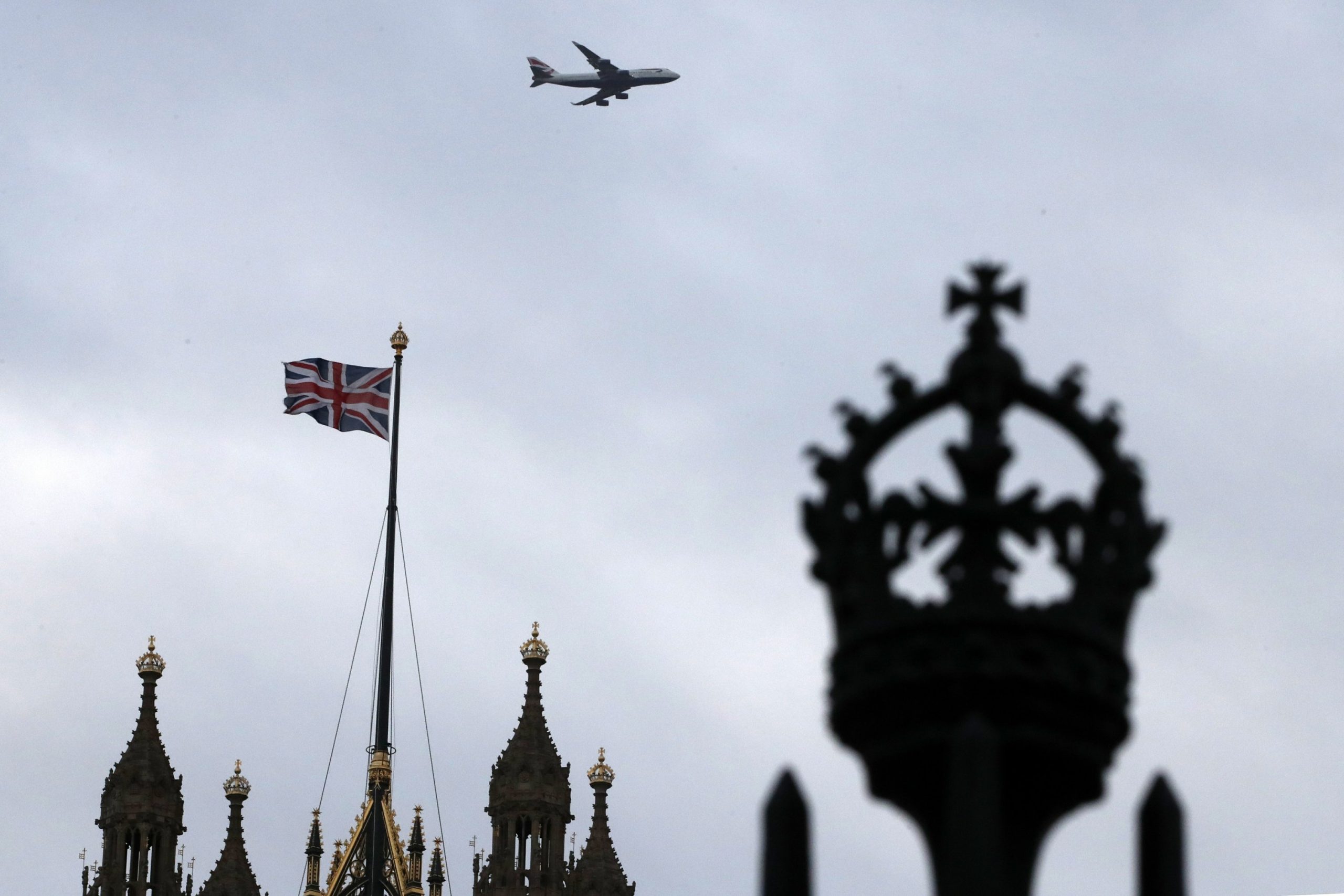
London (AFP) – Until now, the vast majority of British and European Union citizens have not felt the reality of Brexit. Although the UK leaves the European Union on January 31, it follows the bloc rules until the end of this year as part of a transition period for the new economic relationship.
This is all about to change.
On January 1, Britain embarked on its new, more distant relationship with the European Union after nearly five decades of close economic, cultural and social integration.
The change in Britain’s economy and people is the most dramatic since World War II, and certainly more than what happened when the country joined what was then the European Economic Community in 1973.
“It’s a bigger shock to our economic system and it’s going to happen immediately,” said Anand Menon, UK director at the Changing Europe Research Foundation and professor of European policy and foreign affairs at Kings College London.
“Suddenly you wake up in a new world at the beginning of January.”
Here are some of the changes to movement that people will start feeling overnight.
___
What will change?
Although the coronavirus pandemic has led to a collapse in passenger numbers between Britain and the European Union, the end of freedom of movement from January 1 will be the most realistic outcome of Brexit yet.
Under the divorce deal that the two sides agreed to on December 24, nearly a million British citizens legally residing in the European Union would enjoy the same rights they now enjoy. The same applies to the more than 3 million European Union citizens living in the United Kingdom
But British citizens will no longer have the automatic right to live and work in the European Union, and vice versa. People wishing to cross borders to settle will have to follow immigration rules and face other routine procedures such as ensuring that their qualifications are recognized.
The exception is people traveling between the United Kingdom and Ireland, where there is a separate common travel area.
For many in the European Union, the freedom to travel, study and live anywhere in the bloc of 27 countries is among the most attractive aspects of European integration.
However, some in Britain and other parts of Western Europe have become more skeptical of freedom of movement after many ex-communist countries in Eastern Europe joined the European Union in 2004 and many of their citizens moved to the United Kingdom and other wealthier countries for work. Concerns about immigration were a major factor in Britain’s vote to leave the European Union in 2016. On January 1, the consequences of this decision will be felt for British citizens and Europeans alike.
___
What are the new travel rules?
Although holiday travel will remain visa-free, British citizens will only be allowed to spend 90 days out of every 180 in the European Union, while the United Kingdom will allow European citizens to stay for up to six consecutive months.
For retired British citizens who used to spend more than three months in their second homes on Spain’s sunny Costa del Sol, the change could come as a shock. British travelers in Europe will also have to have at least six months in possession of their passports and purchase their travel insurance. The British will no longer be issued with the European Health Insurance Card, which guarantees access to medical care across the bloc, but the UK says it is creating an alternative system so that UK visitors to the bloc and EU citizens visiting Britain still enjoy medical coverage.
___
What about pets?
For British citizens who are in the habit of taking their dogs or cats or ferrets on vacation in Europe every summer, the situation will become even more complicated as Britain will not be part of the EU pet passport system – although the agreement avoids the cumbersome procedures that take months Some were afraid. Pet owners in the UK will need to obtain a microchip and vaccination against rabies at least 21 days before travel, and will need to obtain an animal health certificate from a veterinarian at least 10 days before departure.
___
Will driving be difficult?
The deal means that British drivers will not need an International Driving Permit once they cross the canal. British motorists can travel in the European Union with their licenses and have insurance in the UK, as long as they carry proof that they are insured in the form of a “green card”.
___
what about work?
The end of freedom of movement will have a major impact on employment on all sides of the labor market.
A newly graduated British citizen on vacation in the Greek islands, for example, will not be able to walk to a beach bar and search for part-time work without the necessary visa. The same is true for European citizens arriving in the UK, as they will not be able to show up at a sandwich shop like Pret a Manger and look for work without the necessary documents.
Large companies will also find it much more difficult and costly to hire people from the other side. The deal includes provisions to allow contractors and business travelers to take short-term business trips without visas.
___
Follow all AP stories about Brexit and British policy at https://apnews.com/Brexit

“동민은 커피에 대한 깊은 지식을 갖춘 전문가로, 다양한 커피 블렌드와 추출 방식에 대한 연구를 해왔습니다. 게임 세계에서도 그의 이름은 잘 알려져 있으며, 그의 취향은 다양한 게임 장르를 아우릅니다. 알코올과 특히 베이컨에 대한 그의 열정은 독특하며, 다양한 행사와 이벤트의 주최자로서 그의 통찰력은 뛰어납니다.”

/cloudfront-us-east-2.images.arcpublishing.com/reuters/ET6ENVNUIJOEHKIJHVLQQZLQHU.jpg "러시아는 발표된 합병에 대한 유엔 결의에 거부권을 행사하고 중국은 표결에서 기권합니다.")